

In a world where poverty is endemic, some countries have adopted social security systems to alleviate the economic burden on their populations. These social security structures come in the form of things like:
- Health insurance
- Unemployment benefits
- Pension schemes
- Support for People With Disabilities (PWD)
- Cash transfer
From a government policy perspective, politicians and national advisors usually argue for or against social security. These debates are not purely economic, as the arguments reflect the moral views of both parties.
According to peer-reviewed studies, the social security system has an overwhelmingly positive effect on the human psyche, with a few caveats. Here is a brief overview of what we have discovered.
Higher Sense of Safety
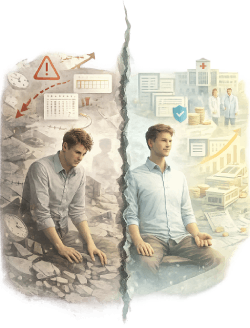
Apart from food, clothing and shelter, the greatest need of any human being is to feel safe. We want to be sure that we will have a peaceful and straightforward life. However, in a world where an accident, mishap or financial disaster can change one’s life forever within a second, we are bound to feel unsafe. By nature, we are deeply sensitive to uncertainties.
Social security structures make our lives more predictable. When people fall ill and require expensive medical procedures, their insurance can cover them. If they face years of unemployment, they receive financial benefits to sustain them. Without social safety nets, we will go into a paranoid short-term survival mode where we don’t know what is next.
Reduction of Chronic Stress and Health Challenges
Chronic uncertainty about our health and financial future worsens stress. When we become stressed, our bodies begin to release stress hormones like cortisol and adrenaline. These hormones increase heart rate, constrict blood vessels, and cause blood pressure to rise to high levels. This situation can worsen preexisting health conditions.
Furthermore, people tend to smoke, consume excess alcohol or engage in dangerous behaviours to cope with stressful situations. Social security systems reduce the rate of depression and anxiety. In this way, people are better able to make decisions. Also, the economic productivity of a nation increases when people face less tension.
Psychosocial Empowerment for People Living with Disability
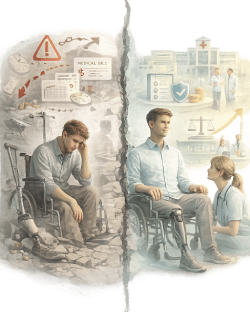
People living with disabilities need access to specialised healthcare resources, medical aids and continuous rehabilitation. Medical bills for this category of people can amount to substantial sums, which most of these individuals cannot afford.
With the use of taxes to fund social security programs, governments can help the less privileged. They can provide physiotherapy, caregivers, counselling and assistive devices to people living with disabilities and improve their quality of life.
Increase in Social Trust and Collective Responsibility
Social security shapes how we perceive one another at the societal level. People pay their taxes because they see it as a social contract between themselves and their government.
When social trust is high, taxpayers believe that their contributions will fund their future benefits. They also believe that the government is capable of managing these funds well. Social security systems lead to greater cooperation and eliminate hyper-individualistic ways of thinking.
Mitigation of Intergenerational Psychological Effects
Social security systems benefit the next generation. When the government gets enough funds from the working population, it can fund better schools, laboratories and universities for young people. This way, children can experience a section sense of safety and achieve higher academic outcomes. They will also face less stress and feel optimistic about the future.
As they grow, they feel more in control of the outcome of their lives. They learn that predictive support can build their strength. When young people see a system that supported them till adulthood, they feel obligated to keep the system working for upcoming generations.
Final Thoughts
While social security has many advantages, some individuals have opposed it. One reason is that they believe people may become dependent on these systems and lose self-discipline. They have also claimed that large social security spending can promote corruption and squeeze government budgets that should be diverted into more important priorities.
A number of conservative political theorists also claim that social security weakens community and family, thereby shifting responsibility to the state. All the above concerns are valid. The right balance can be achieved when social security is used to protect people from calamities without keeping them away from their personal responsibilities.